
Solid Wood vs. Manufactured Wood: Why the Real Thing is Always Better
When you're shopping for new furniture, you'll inevitably come across two main categories of materials: solid wood and manufactured wood. While the price tag on manufactured wood pieces can be very tempting, it's a decision that often leads to disappointment down the road. For anyone looking for furniture that will last, look great, and truly be a part of their home, solid wood is the clear winner. Here's why.
1. Durability and Longevity: Built to Last Generations
The most significant difference between solid wood and manufactured wood is durability. Solid wood furniture, crafted from a single piece of timber, is incredibly strong and resilient. It can withstand daily use, bumps, and scratches without compromising its structural integrity. Well-made solid wood pieces are known to last for decades, even centuries, often becoming cherished family heirlooms.
In contrast, manufactured wood (like particleboard, MDF, or plywood) is a composite material made from wood fibers, sawdust, and other scraps bound together with adhesives. While it may look good initially, it is inherently weaker. It is susceptible to sagging under heavy weight, and the screws that hold it together can easily strip and loosen, making the piece unstable. A single spill or exposure to humidity can cause manufactured wood to swell and warp, rendering it unusable.
2. Repairability and Maintenance: A Lifetime of Beauty
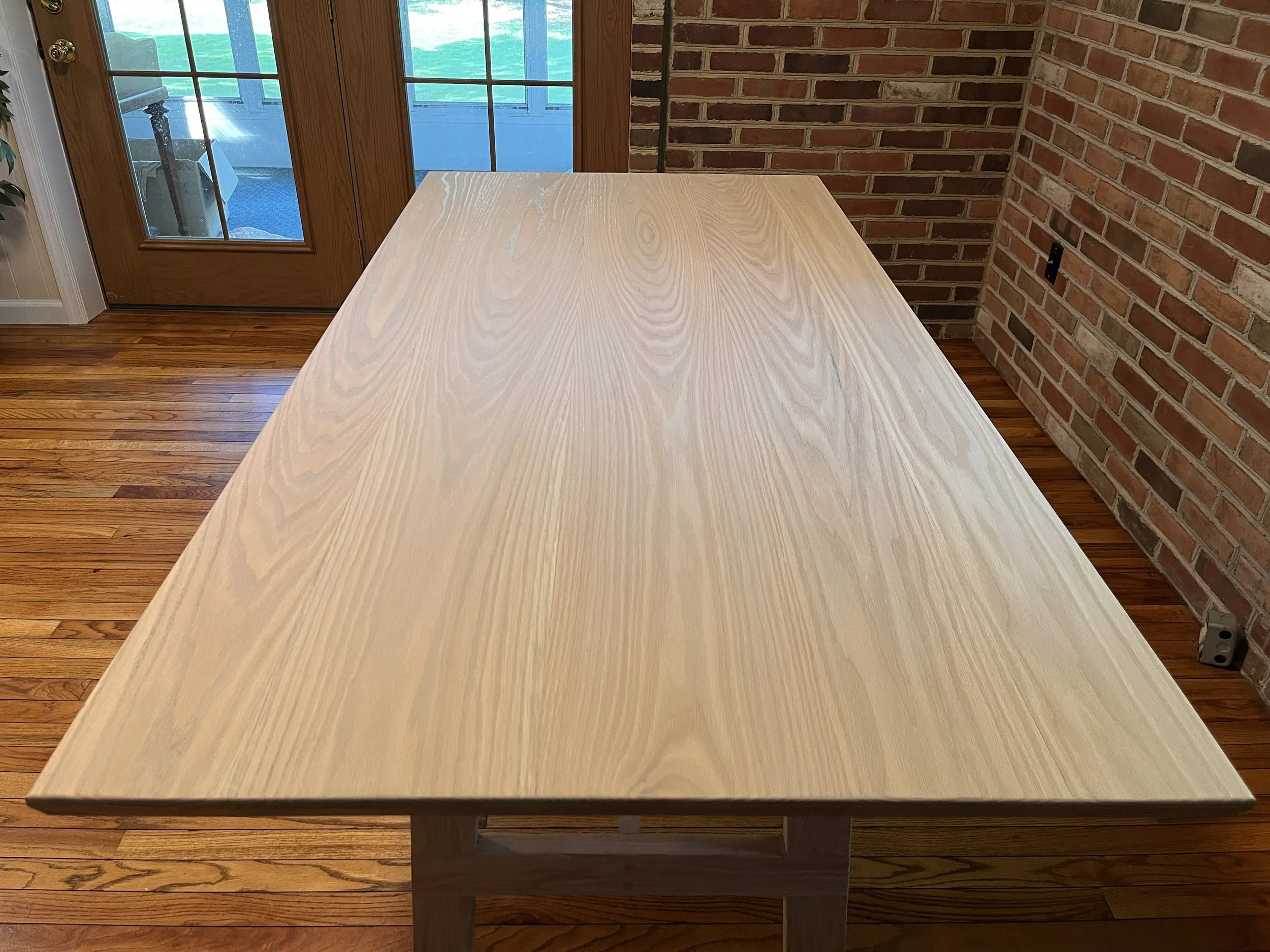
Solid wood furniture is not only durable; it's also incredibly easy to repair and maintain. Scratches, dents, and dings can often be sanded out and refinished, bringing the piece back to life. This ability to be rejuvenated means that a solid wood piece can evolve with your home and your style over time.
Manufactured wood, on the other hand, is nearly impossible to repair once damaged. A scratch through the thin veneer layer reveals the composite material underneath, and there's no way to fix it. If the piece is exposed to water and swells, the damage is permanent. This "disposable" nature of manufactured wood means you'll likely have to replace it within a few short years, which ends up costing you more in the long run.
3. Natural Beauty and Unique Character
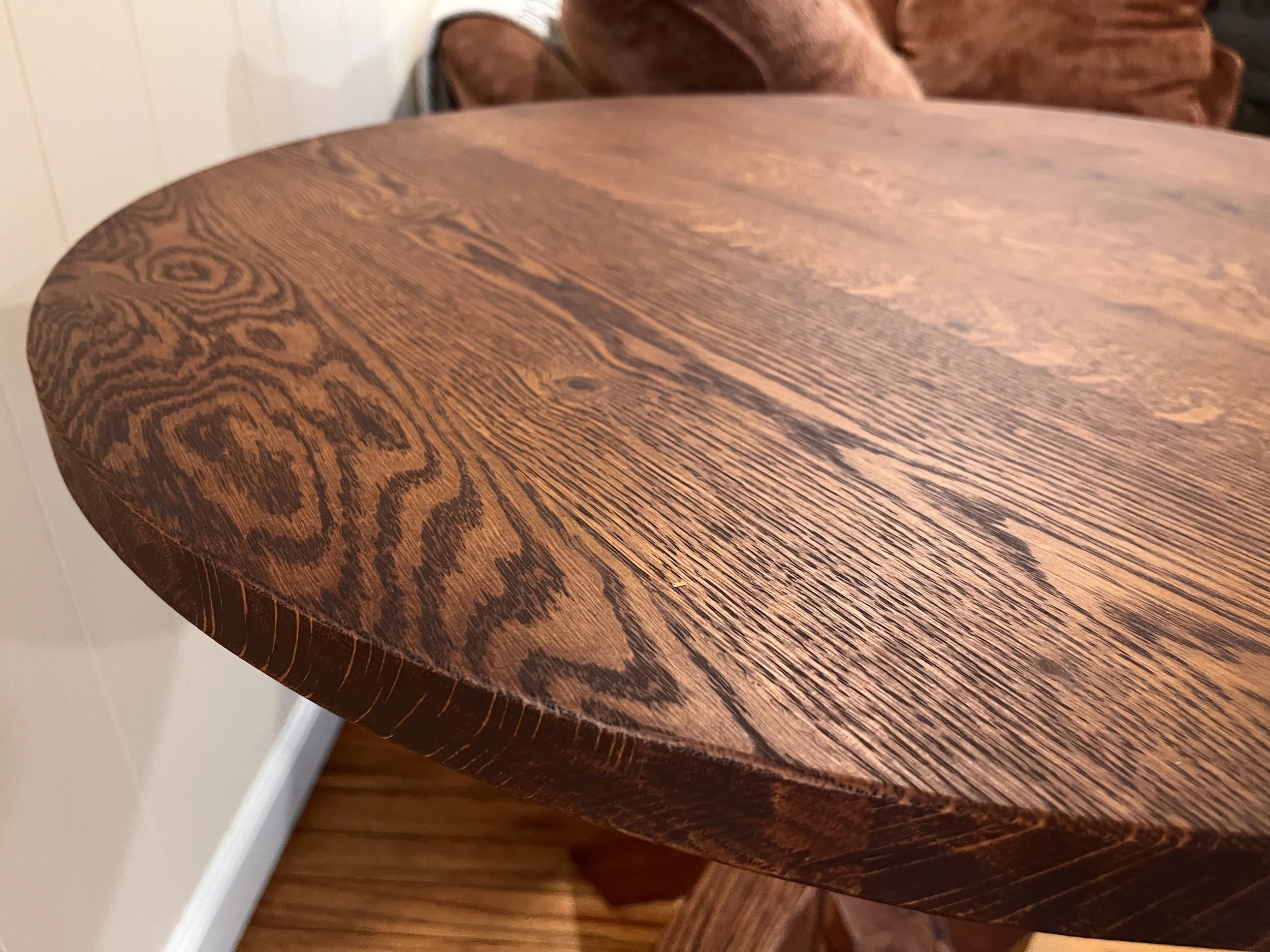
Nothing compares to the natural beauty of solid wood. Each piece of wood has its own unique grain patterns, knots, and textures—a natural work of art. This organic quality brings warmth, character, and a timeless elegance into your home that manufactured wood simply cannot replicate. Even with a veneer finish, manufactured wood has a uniform, often synthetic, appearance that lacks the depth and authenticity of real wood.
As solid wood ages, it develops a rich patina and its color deepens, adding to its story and charm. You can truly see the history of a piece in its wood. Manufactured wood simply doesn't age; it just degrades.
4. A Healthier, More Sustainable Choice
Many manufactured wood products use glues and resins that contain harmful chemicals like formaldehyde, which can "off-gas" into your home's air for months or even years. This can contribute to poor indoor air quality and potential health concerns.
Solid wood is a natural product that doesn't contain these toxic chemicals. When sourced from responsibly managed forests, it is a highly sustainable and eco-friendly choice. By investing in a piece that lasts a lifetime, you're also fighting against the "fast furniture" trend that clogs landfills and promotes a cycle of wasteful consumption.
Conclusion: An Investment in Your Home's Future
While the initial cost of solid wood furniture is higher, it’s a wise investment in quality, longevity, and timeless style. You're not just buying a piece of furniture; you're acquiring a beautiful, durable, and unique item that will stand the test of time, adding genuine value and character to your home. In the end, the choice between solid wood and manufactured wood is a choice between a piece that is here today and gone tomorrow, and one that will be treasured for generations to come.
